
 KA
KA










Does the name Topkapı mean the palace or a neighbourhood?
It means both, and they are about six kilometres apart: the palace stands at the tip of the old city beside Gülhane, while the neighbourhood called Topkapı sits inland at the ancient land walls, which is where Yavuz Otel is. Anyone booking a hotel on the strength of the name alone should read the street address first. The two places share a name because both are named after gates, not because they are near each other.
What are the walls that the neighbourhood is named after?
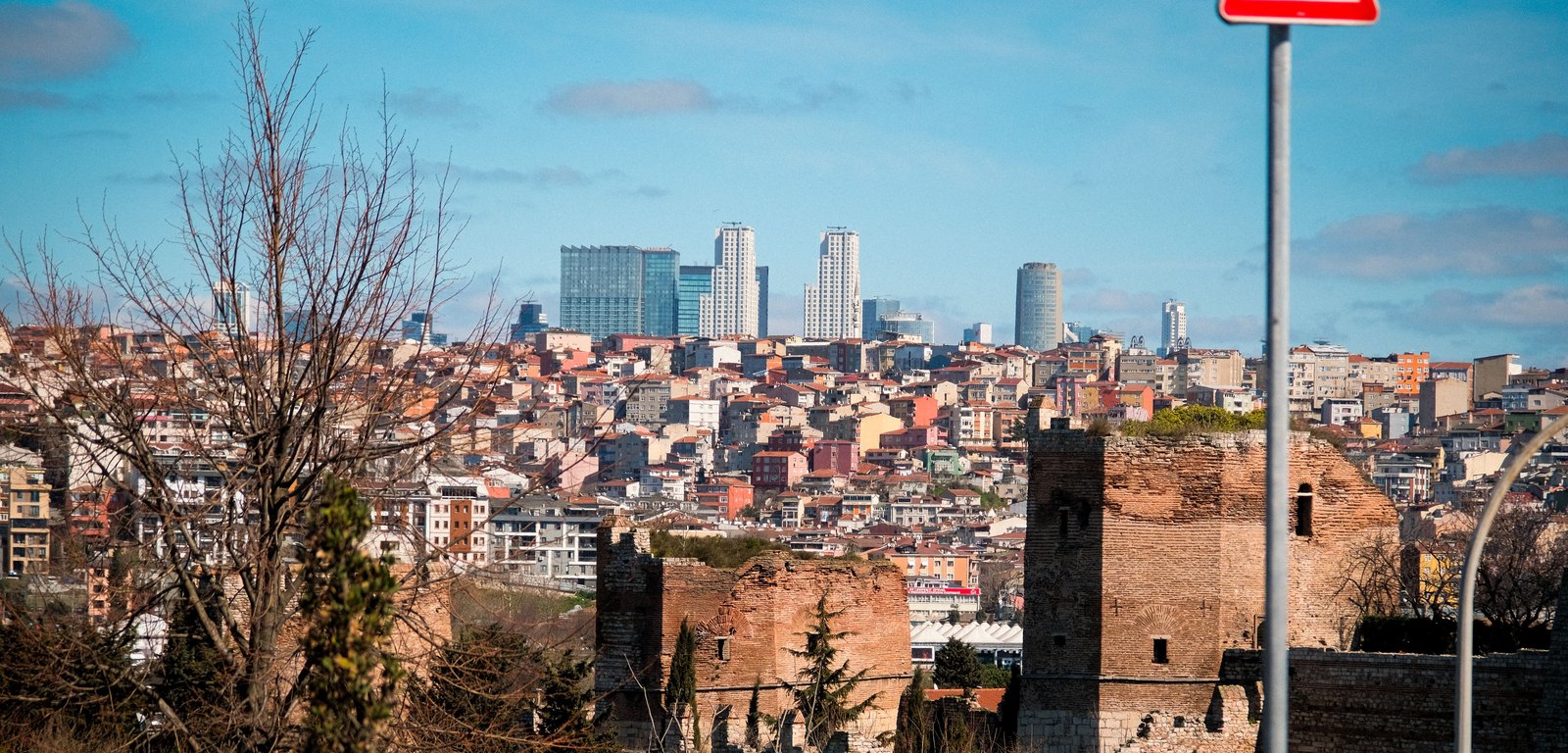
They are the old land defences that closed off the peninsula from the countryside, and in Topkapı they still run through the middle of the district as a long line of brick and stone. Stretches of them stand beside busy roads, with traffic passing through the gaps where gates once were. It is one of the few places in Istanbul where a thousand-year-old structure is simply part of the street furniture.
What does an ordinary Istanbul quarter look like on a weekday morning?
In Topkapı it looks like school runs, bread being delivered, shutters going up on hardware shops and men drinking tea outside them. There are no ticket queues, no tour groups and very few menus in English, which is either the point of staying here or the reason not to. Visitors who want to see how the city works rather than how it presents itself get more out of this than out of any museum morning.
Where does Yavuz Otel stand in relation to the walls?
Yavuz Otel is on Topkapı Caddesi, on the neighbourhood side of the walls rather than out beyond them, which keeps it within the fabric of the quarter instead of on a motorway edge. The practical effect is that everyday things are on foot: bakeries, pharmacies, a barber, somewhere to eat that does not price by the monument. Getting into the historic core is a ride rather than a walk, and that trade is the whole decision.
How do you reach the monuments from here?
The tram that runs the length of the historic peninsula passes through this part of the city, which makes the trip to the old core a single straightforward journey rather than a change of plan. There is no need to drive and no need to negotiate a fare, and the same line carries you back at the end of a long day. For visitors who dislike navigating a new transport system, one line in each direction is about as simple as Istanbul gets.
What do you see here that a Sultanahmet guest never sees?
You see the ordinary version of the city: markets aimed at residents, small workshops, a neighbourhood mosque that is not on anyone's list, and prices set for people who live here. Topkapı also gives you the walls at close quarters, which most visitors only glimpse from a taxi window on the way in from the airport. None of it is a sight, and that is precisely the character of the place.
Where do you eat when nothing has an English menu?
You eat by looking, which in Topkapı is easy because most local places keep the day's cooking in trays behind glass at the front. Point at what you want, sit down, and drink the tea that arrives afterwards. A quarter like this rewards the traveller who is willing to eat without reading, and it is the fastest way to understand what people here actually have for lunch.
Which travellers does this edge of the old city suit?
It suits people on a second or third visit, people who are in the city for work outside the tourist core, and anyone who values a quiet street at night over a short walk to a monument. It suits families who want space rather than a view. It does not suit a two-night first visit built entirely around the big sights, where every extra journey costs a proportion of a very short trip.
What is worth asking before booking on this side of the walls?
Ask which floor the room is on and whether it faces the main road, since a busy avenue behaves differently at seven in the morning than at ten at night. Ask how the hotel recommends getting in from the airport, because arrival is the one journey you will do while tired and unfamiliar. Those two answers tell you more about a stay in Topkapı than any photograph will.
Read the address before you read the name
In Istanbul a hotel name borrows a famous word far more often than it borrows a location, and Topkapı is the clearest example in the city. If a quiet residential quarter at the walls is what you want, look at the rooms at Yavuz Otel and ask anything you are unsure about through the contact page before you commit to the dates.